
It starts with a workflow that already feels hard to support well.
The best first workflows are usually the ones where confusion is already visible.
Patients leave needing to remember important steps later. Staff repeat the same explanations. Everyone can feel that the current experience could be clearer. That is usually the right place to begin.

Here is how that process usually unfolds.
1. Identify the workflow
2. Align the team
3. Build and review the guidance
4. Deliver it through familiar channels

5. Launch and measure
6. Decide what expands next
Then the right people need to align around what good looks like.
A strong first pilot usually begins with a small group: a clinical owner, an operational owner, and whoever helps manage workflow, communication, or approval.
The goal is to agree on the workflow, the approval path, and what success should mean before anything launches. That early alignment is what helps the first step feel practical instead of complicated.

From there, the guidance itself has to become simpler and easier to revisit.
RxPlain works with your team to turn important instructions into clearer guidance patients and caregivers can come back to later.
The goal is not to create generic content. It is to build support around the way your workflow actually works, so the guidance feels more useful in the moments when patients and families need it most.

That only works if review is clear and defensible.
A strong process should make it easy to see where the source material comes from, who owns the draft, how clinical review happens, when signoff takes place, and what should trigger future updates.
When that path is visible from the beginning, the guidance is easier to trust internally and much easier to move forward.
Then it has to reach patients through channels teams already trust.
Patients should not have to learn a new system just to find the guidance they need.
RxPlain fits into the communication channels your team already uses, including SMS, email, QR codes, and EHR-connected workflows. The goal is not to replace your current workflow. It is to make guidance easier to deliver and easier to revisit once patients and caregivers are home.

The model is meant to fit around the way care is already delivered.

visit or procedure


workflow trigger

SMS / email / QR / EHR-connected delivery

patient or caregiver access

follow-up

measurement
That is what makes the first step feel easier to approve.
The strongest first pilots are the ones that feel clear from the beginning.
Teams can see the workflow in scope, understand how content will be reviewed, know how guidance will be delivered, and feel confident about who owns what. With success metrics and a timeline defined up front, the first step feels practical, manageable, and easier to move forward
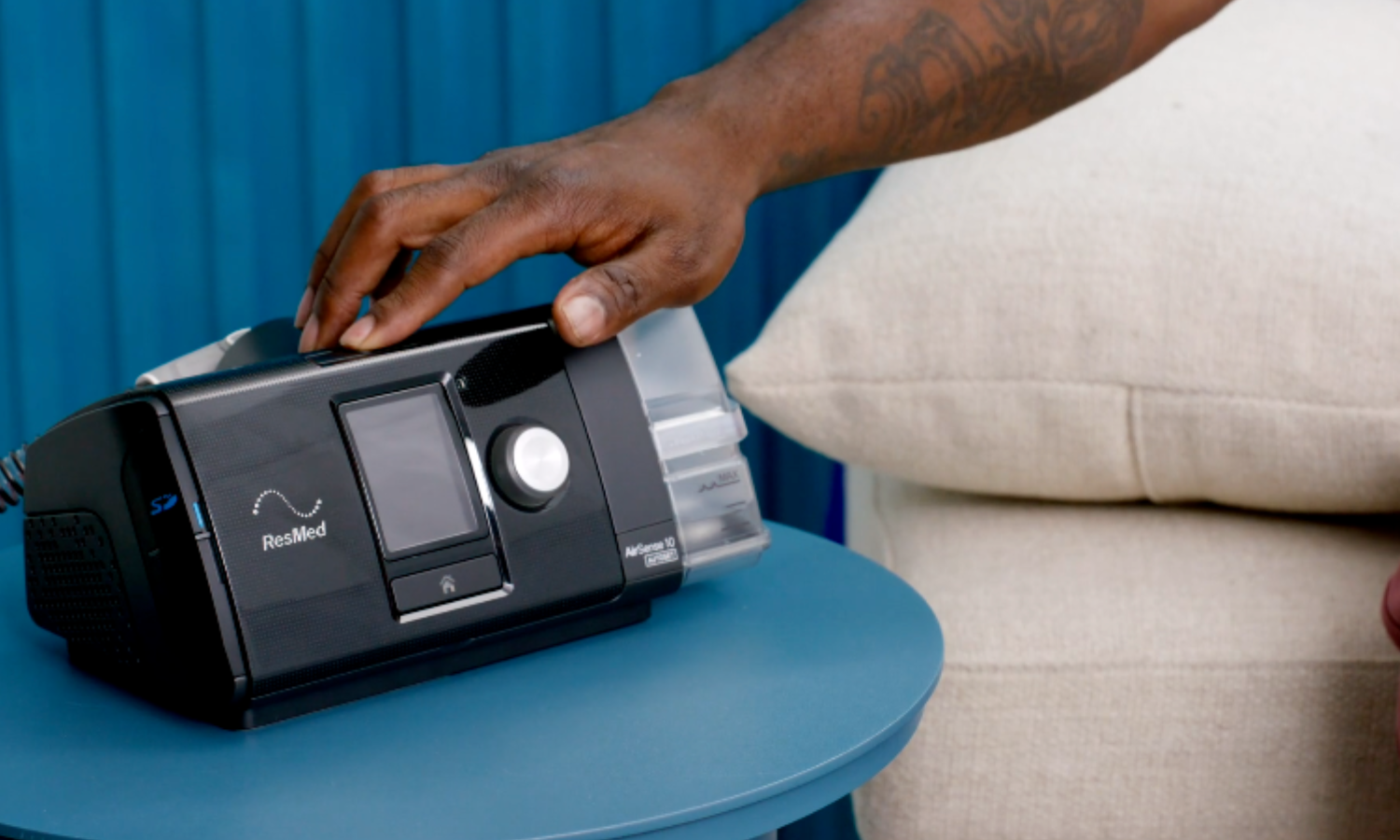
Once the team is aligned, rollout should feel manageable.
A strong rollout should not feel heavy or disruptive. It will begin with a simple team introduction, clear staff guidance, a practical implementation checklist, and a go-live timeline everyone can see.
When those pieces are in place, the first launch feels more organized, more manageable, and much easier to support.

If the workflow is improving, teams should be able to see it early.
When clearer guidance is working, the difference should not be hard to spot.
Patients should feel more confident about what to do next. Caregivers should feel more prepared and reassured at home. Staff should spend less time repeating the same explanations, and teams should start to see more consistency in how guidance is delivered across providers or sites.

Once one workflow proves out, the next step becomes easier to justify
adjacent workflows
new departments or locations

repeatable rollout method
executive-ready outcome summary
There are usually a few practical questions teams need answered early.

-
No. RxPlain is designed to reinforce and extend the guidance teams already provide.
-
That depends on the delivery method and workflow design, but ideally no.
-
The goal is to align guidance to the workflow, patient need, and review process of the organization.
-
Most strong first pilots begin with a small group and a clearly defined workflow. The goal is to keep the first phase practical, reviewable, and manageable.
-
The right first workflow is designed to be bounded, measurable, and practical to launch.