Reduce the calls that come after the visit.
Most patients forget a large share of what they're told at discharge. RxPlain reduces callbacks by giving patients clear, condition-specific guidance they can revisit at home - through SMS, email, or QR code.
Discharge instructions
・
Procedure prep
・
Medication guidance
・
Caregiver support
・
Discharge instructions ・ Procedure prep ・ Medication guidance ・ Caregiver support ・
The instructions leave the room with the clinician.
Discharge is the worst moment to absorb information. Patients are anxious, rushed, and not retaining much. The verbal instructions are clear. They just don't survive the car ride home.
So the questions come back as calls. "How do I change the dressing?" "When do I take this?" "Is this normal?" Your team answers the same questions all day.
This isn't an explanation problem. Your clinicians explain it well. It's a retention problem - and retention is fixable.
The problem:

Why callbacks cost more than time
Every callback is a small tax on the whole team.
A single clarification call looks cheap. At volume, it isn't. Nurses repeat instructions instead of seeing patients. Front-desk staff triage avoidable questions. Some confused patients skip the call and return instead.
Callback volume is a clean signal of guidance that didn't land. Lower it, and you free clinical time, reduce avoidable revisits, and improve follow-through.

Give patients something they can replay.
RxPlain delivers condition-specific guidance patients can watch again at home. It reinforces what your team already says - it does not replace the conversation.
Delivery fits how you already work. A staff member sends a link by text, email, or QR code. No patient login. No EMR project to start.
Patients revisit the guidance when the question actually comes up - at 9pm, at home, instead of calling the next morning.
How RxPlain reduces callbacks

Condition-specific, not generic. Built around your real workflow - wound care, post-op, medication, prep - so it answers the questions patients actually ask.
Three things that make it work:
1:
2:
Familiar channels. SMS, email, QR. Nothing new for patients to learn or install.
Measured. Track callback volume over 30–90 days, so you see the change, not just feel it.
3:

Replayable guidance improves recall - and recall drives follow-through.
Research on video patient education is consistent and strong:
In 73% of studies, video education significantly improved patient recall (Hansen et al., JMIR, 2024).
Health-behavior outcomes improved in 56% of studies reviewed (Deshpande et al., JMIR, 2023).
33–69% of medication-related hospital admissions are tied to poor adherence (Osterberg & Blaschke, NEJM, 2005) — much of it avoidable with clearer guidance.
Better recall means fewer "wait, how do I do this?" calls. The callback drop is the operational version of the recall lift.
The evidence
73%
of studies say video education significantly improved patient recall
56%
of studies reported improved health-behavior outcomes
52%
of studies reported improved self-efficacy
69%
of nurses and technicians have LESS time with patients
1/3
decrease in clinic callbacks from patients that watched video post-op
Sources: Hansen et al., JMIR, 2024 (recall); Deshpande et al., JMIR, 2023 (health behavior, self-efficacy); Incredible Health, 6th Annual State of U.S. Nurses & Technicians Report, 2025 (nurse time); Hidalgo et al., PRS Global Open, 2024 (callbacks)

Our video tools do not replace the care team’s voice.
They enhance it.
Start where the calls are loudest
Pick one workflow. Prove the drop. Expand from there.
You don't have to change everything. Start with the one workflow generating the most repeat questions - discharge, aftercare, prep, or medication. Run a focused pilot. Measure callback volume before and after.
When the calls drop, you decide what expands next.
Clinics & Hospitals
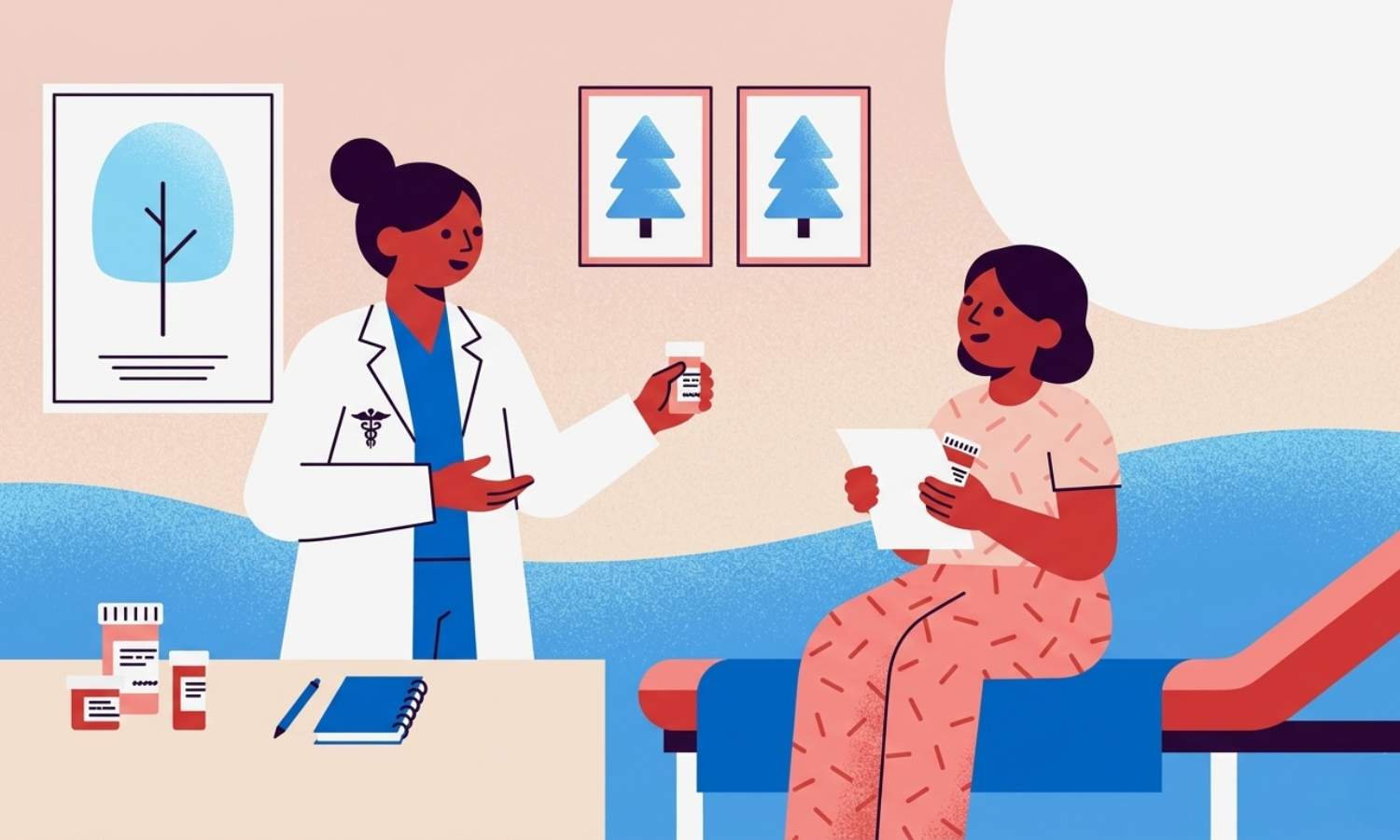
Reduce patient callbacks with consistent guidance they can follow at home.
Urgent Care Groups
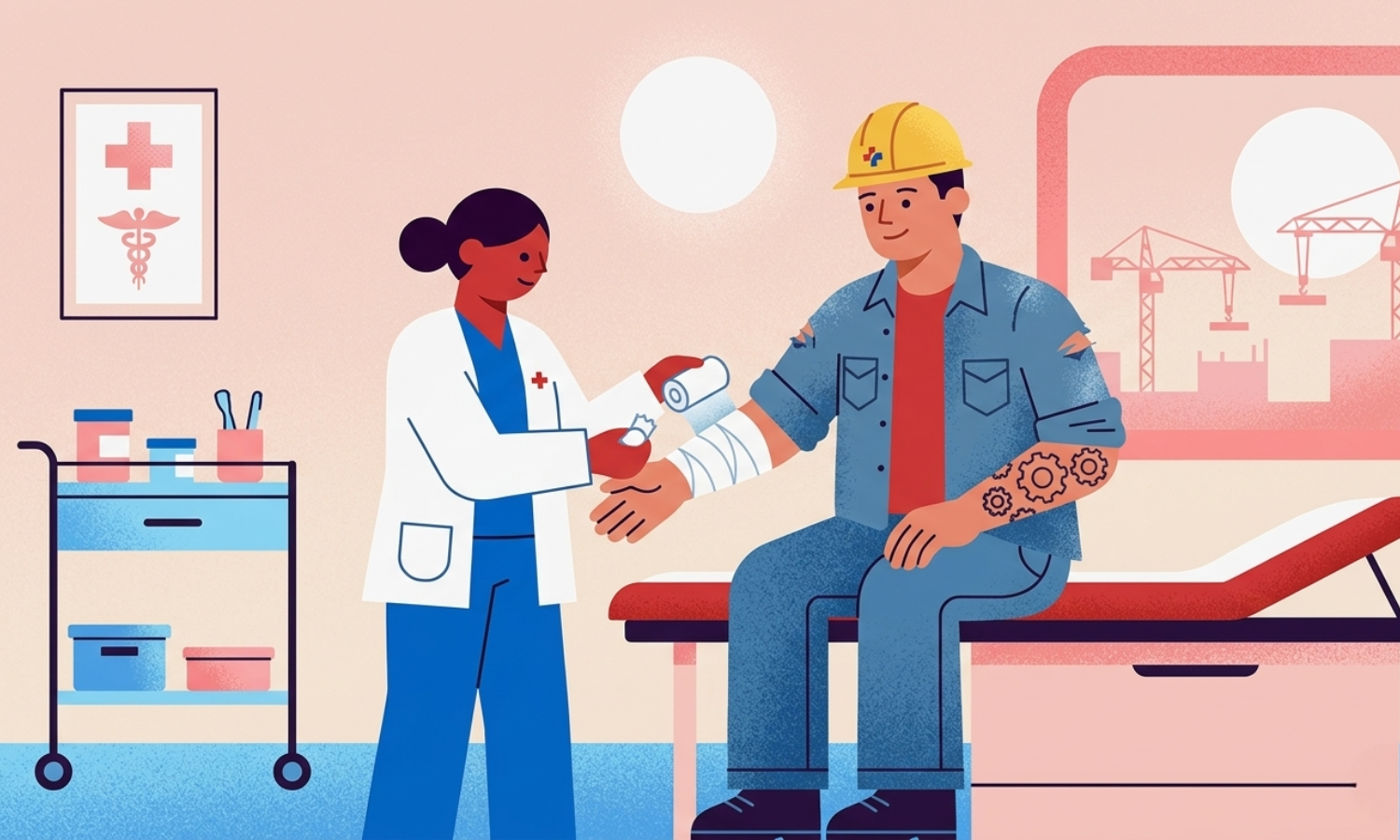
Reinforce instructions after the visit and reduce post-visit callbacks.
Pediatrics
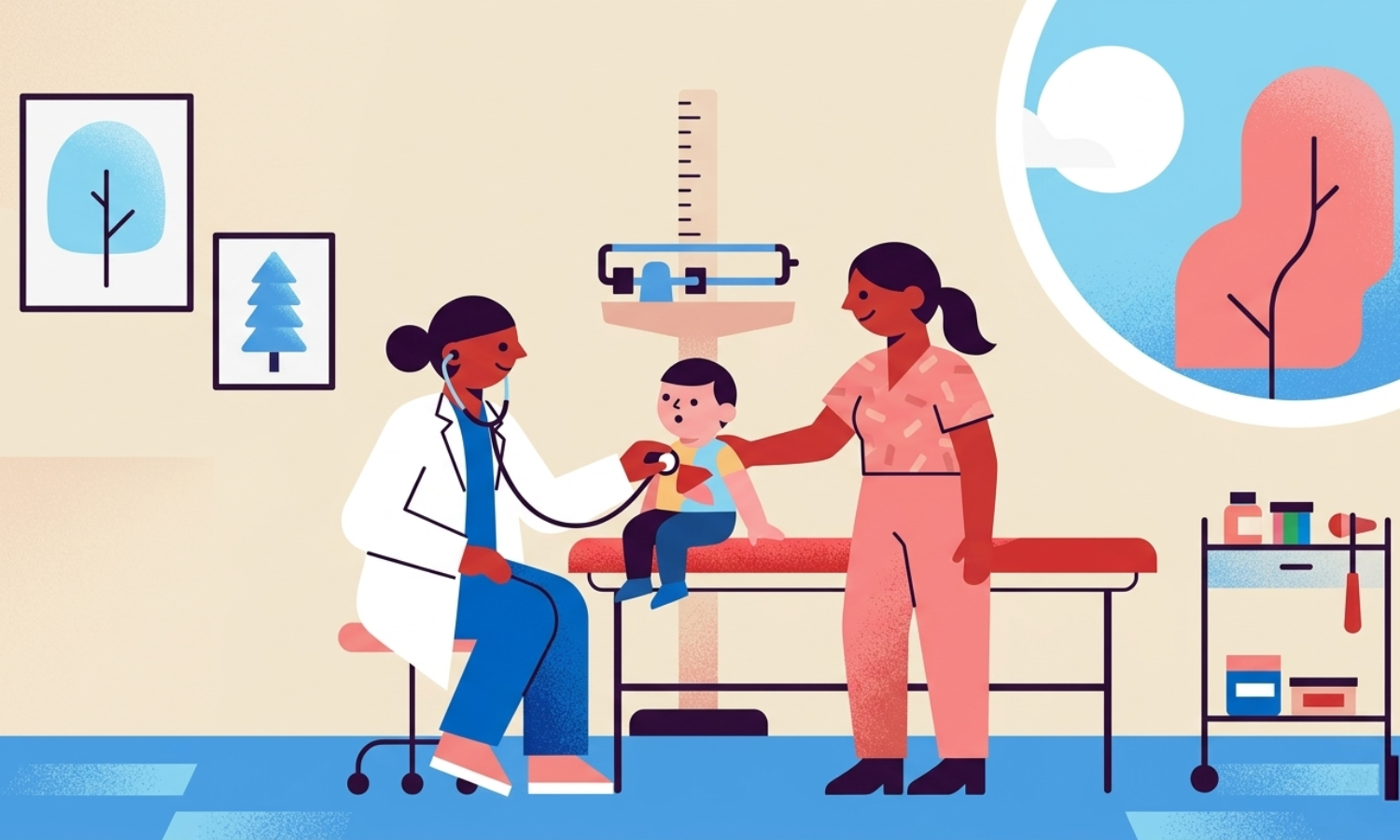
Give parents clear, reassuring guidance to help reduce parent callback volume.
Veterinary Groups
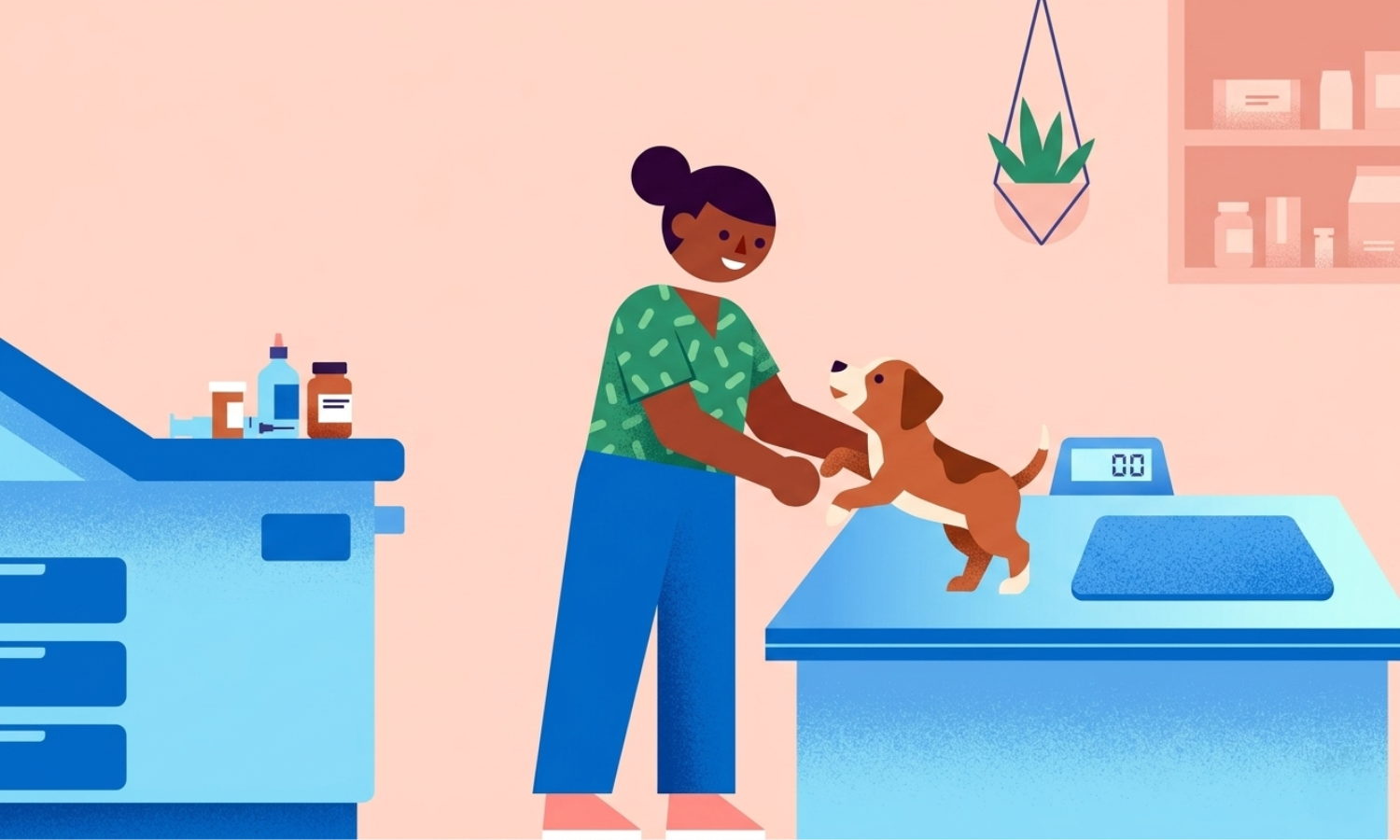
Help pet parents understand in order to help reduce follow-up calls.
FAQs
-
Clearer follow-through, not louder explanation. Patients retain little at discharge. Giving them condition-specific guidance they can revisit at home addresses the retention gap that drives most clarification calls.
-
No. A staff member sends one link by text, email, or QR code. There's no patient login and no EMR integration required to start.
-
Most pilots run 30–90 days depending on setting. Callback volume is measured before and after, so the change is visible within the pilot window.
-
No. RxPlain reinforces the guidance your team already gives. It extends the conversation past the visit — it doesn't replace handouts or clinician instruction.
-
The workflows with the highest question volume - post-surgical, wound care, medication, and procedure prep - see the fastest callback reduction.