

Pediatrics
When kids go home, caregivers need clarity too.
Pediatric instructions do not stop with the patient.
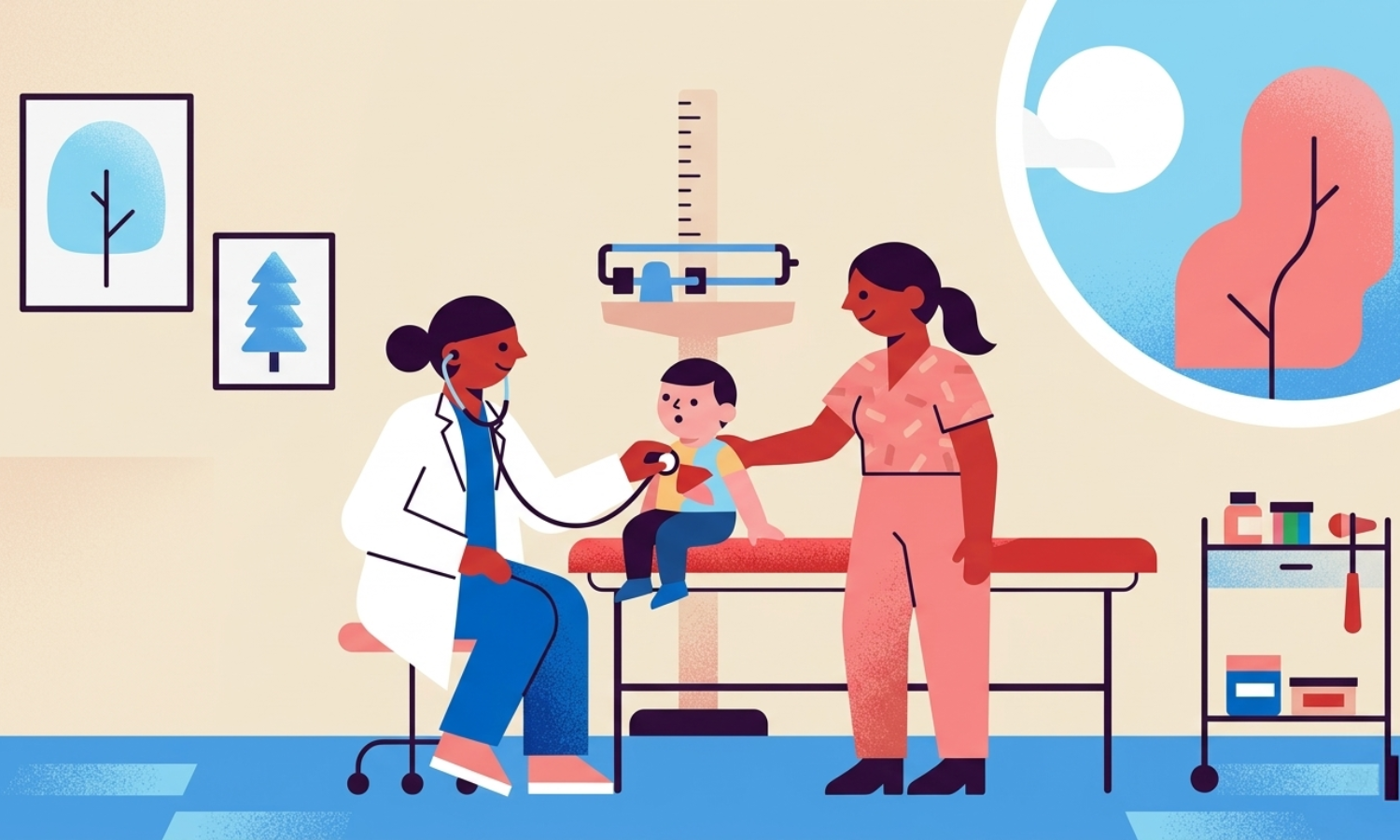
They go home with parents, grandparents, and caregivers who may be trying to remember important details after a stressful visit.
RxPlain helps pediatric teams deliver guidance that is easier to revisit, easier to share, and easier for caregivers to trust when questions come up at home.
In pediatrics, the challenge is not just the child’s care. It is the household’s confidence.
Parents and caregivers often leave trying to remember what to watch for, what to do next, when to give medication, and when to seek help.
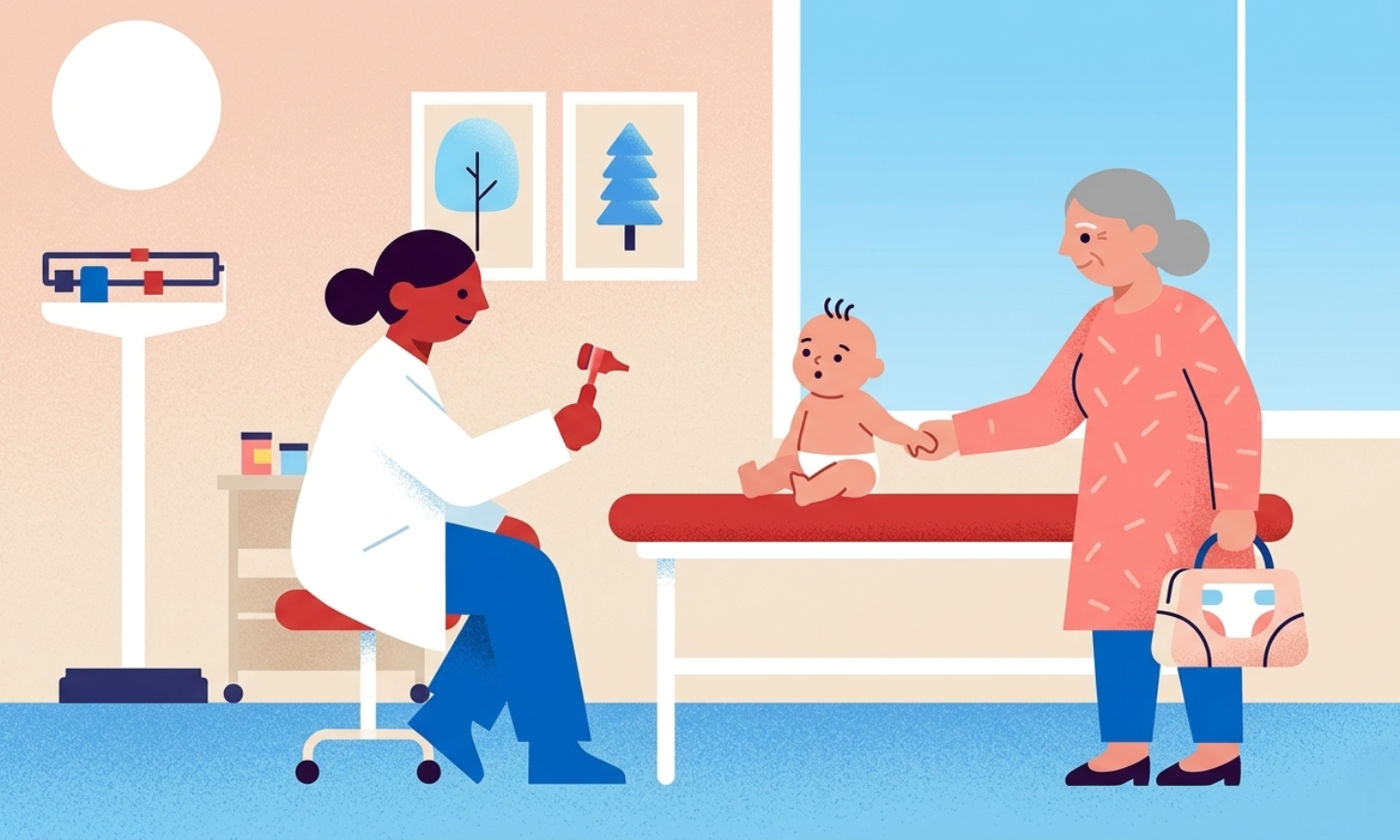
And in pediatrics, that burden rarely sits with just one person. It may be shared across parents, grandparents, or other caregivers who all need to understand the same plan once the child is back home.
That is what makes the part of care that happens after the visit feel especially heavy.
That is why this matters operationally, not just emotionally.
When families are unsure at home, that uncertainty often comes right back to the clinic.
Parents call with follow-up questions. Messages increase. Triage teams spend time repeating home-care basics. Avoidable demand can build around issues that might have felt more manageable with clearer guidance from the start.
RxPlain helps by giving families something they can revisit later, share with other caregivers, and return to when questions come up at home. When that works, pediatric teams have a better chance to reduce repeated explanation burden, support stronger caregiver confidence, and make home decision-making feel calmer and clearer.

How RxPlain helps in pediatrics
make guidance easier for families to revisit and share
reduce repeated parent callback questions
support more consistent guidance across providers or clinics
start with one clinic, condition, or workflow before expanding

Strong starting points in pediatrics
The best first workflows are usually the ones where parents leave with a lot to remember, questions tend to show up later, and the burden on staff is already easy to feel.
In pediatrics, that often means caregiver reassurance, acute illness guidance, medication instructions, and other follow-up moments where more than one person may need to understand the same plan at home.

Check out these example workflows:


At-Home Care Clarity & Reassurance
Acute Illness Discharge Instructions

Medication Administration
Why teams often start here

Pediatrics is often where the need for replayable guidance becomes easiest to understand.
The visit may be clear in the moment, but the real decision-making often happens later - when symptoms change, medication timing matters, or a caregiver is trying to decide whether something is normal. That is why one focused pediatric pilot can create value quickly. It supports families where uncertainty tends to show up, and it helps teams reduce some of the repeated explanation burden that can build around common workflows.
If the model is working in pediatrics, teams should be able to see it early.
fewer parent callback questions
reduced triage burden
better caregiver confidence
clearer escalation decisions at home
more consistent guidance across providers or clinics

That is what makes the first pediatric pilot easier to try.
The strongest first pilots can be delivered through text, QR, email, or portal-connected workflows, require minimal provider change, and stay bounded to one clinic, condition, or use case. When the scope is clear and the rollout path is simple, the first step feels much easier to support.

Once one pediatric workflow proves out, the next step becomes easier to justify.

adjacent workflows
new departments or locations

repeatable rollout method

executive-ready outcome summary
A focused first pilot should create proof teams can actually use - whether that is a reduction in calls or messages, a clearer signal around caregiver confidence, or a stronger case for expanding into common conditions, clinics, or care pathways. That is what helps one successful workflow turn into a broader access and support story.
Explore sample pediatric workflows


At-Home Care Clarity & Reassurance
Acute Illness Discharge Instructions
Medication Administration