

Specialty Clinics & Health Systems
High-quality care deserves clearer follow-through at home.
Specialty teams do complex, high-value work every day.

But once patients leave, even excellent instructions can be harder to absorb, remember, and follow.
RxPlain helps specialty clinics and health systems extend that guidance with workflow-specific support that fits existing care delivery and supports more consistent follow-through across providers, departments, and locations - starting with one measurable workflow.
In specialty care, the challenge is not only clarity. It is consistency.
Patients may receive excellent care at every step and still leave with guidance that varies by provider, clinic, department, or location.
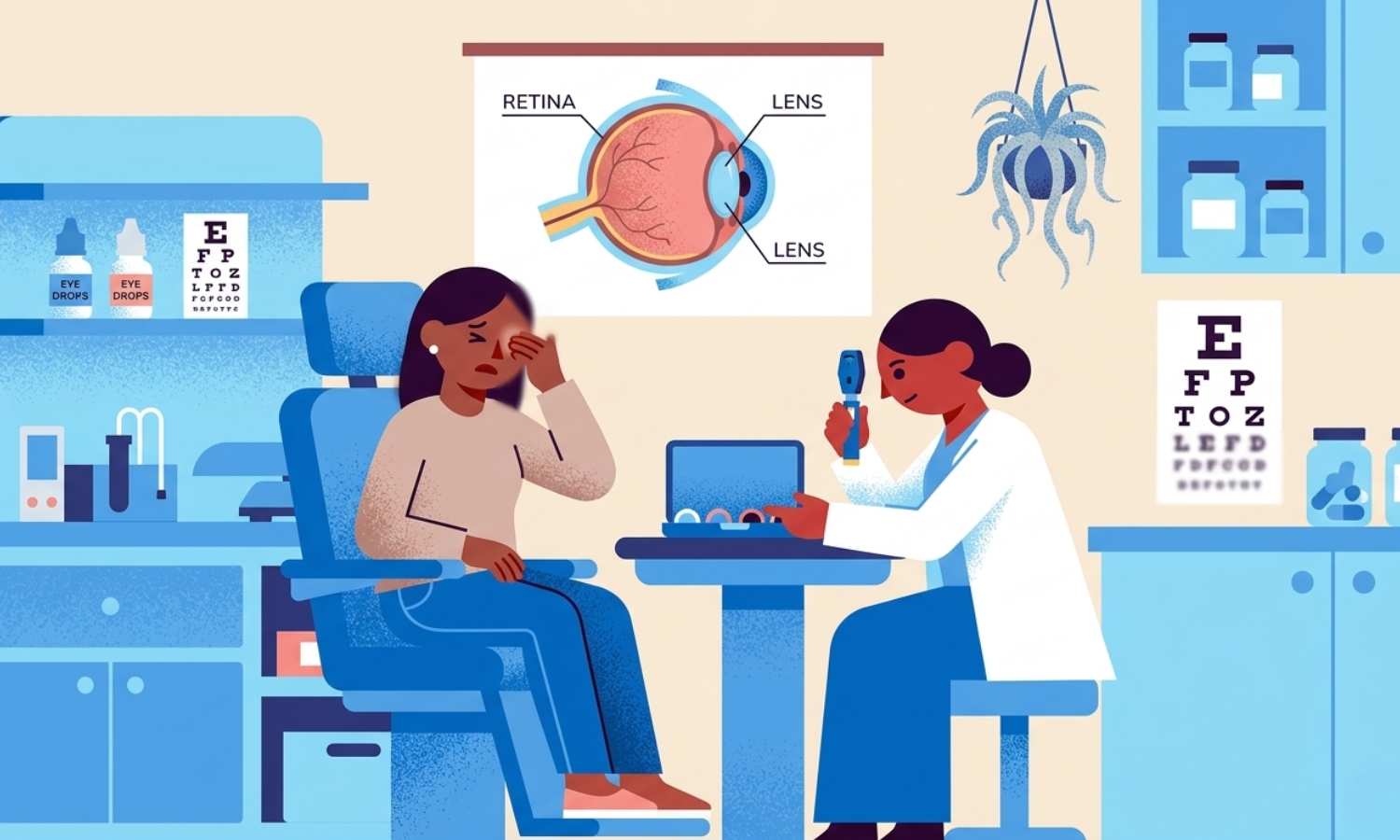
Teams often rely on a mix of handouts, verbal teaching, portal messages, and repeated phone follow-up. Over time, that variation becomes part of the problem. What one team explains one way, another may explain differently. What is easy to find in one setting may be harder to revisit in another.
That makes follow-through harder for patients and standardization harder for the organization.
That is why this matters operationally, not just clinically.
Patients may feel less prepared. Staff may spend more time clarifying what to do next. Procedure readiness can vary. Follow-up can become harder to manage. And leadership teams trying to improve consistency across service lines are left without a clear model for how guidance should be delivered at scale.
RxPlain helps by giving teams a clearer, more repeatable way to support one workflow first. When guidance is easier to revisit and easier to deliver through familiar channels, organizations have a better path to improve follow-through, reduce variation, and build proof before broader rollout.
When guidance is inconsistent, the cost shows up in more places than one.

How RxPlain helps in specialty care
reduce variation in patient guidance across providers or sites
make important instructions easier to revisit after the visit
support more consistent follow-through in high-friction workflows
build a repeatable model one workflow at a time

Strong starting points in specialty care
The best first workflows are usually the ones where patients leave with the most to remember, staff feel the burden most clearly, and improvement should be easy to see.
In specialty care, that often means workflows like discharge, procedure preparation, chronic condition support, and medication education. These are the moments where clear follow-through matters, variation becomes visible, and one focused pilot can create value quickly.

Check out these example workflows:


Post-Surgical Discharge Instructions
Colonoscopy / Procedure Preparation


Heart Failure Self-Management Education
Medication Administration
Why teams often start here

Specialty care is often where communication complexity becomes easiest to feel.
The workflows are important. The handoff to home is real. The follow-up burden can be visible across providers and departments. And because these workflows are often repeated at scale, one successful pilot can do more than improve a single patient touchpoint. It can help leadership teams see a clearer path toward consistency across service lines and sites.
If the model is working in specialty care, teams should be able to see it early.
fewer clarification calls
more consistent education across providers or sites
stronger prep readiness
better follow-up adherence
clearer expansion path across service lines

That is what makes the first specialty pilot easier to move forward.
The strongest first pilots focus on one use case at a time, fit familiar workflow trigger points, follow a manageable review path, and create measurable proof before broader rollout. When those pieces are clear, the first step feels easier to approve and much easier to support across teams.

Once one specialty workflow proves out, the next step becomes easier to justify.
adjacent workflows
new departments or locations

repeatable rollout method

executive-ready outcome summary
A focused first pilot should create proof leadership teams can actually use - whether that is a 30-day usage and staff feedback snapshot, before-and-after metrics, or an outcome summary that supports expansion into adjacent workflows, departments, or sites. That is how one measurable workflow can become the start of a broader standardization model.
Explore sample specialty workflows

Post-Surgical Discharge Instructions
Colonoscopy / Procedure Preparation

Heart Failure Self-Management Education
Medication Administration