

Urgent Care Groups
Fast visits still need clear follow-through.
Urgent care works because it moves quickly.
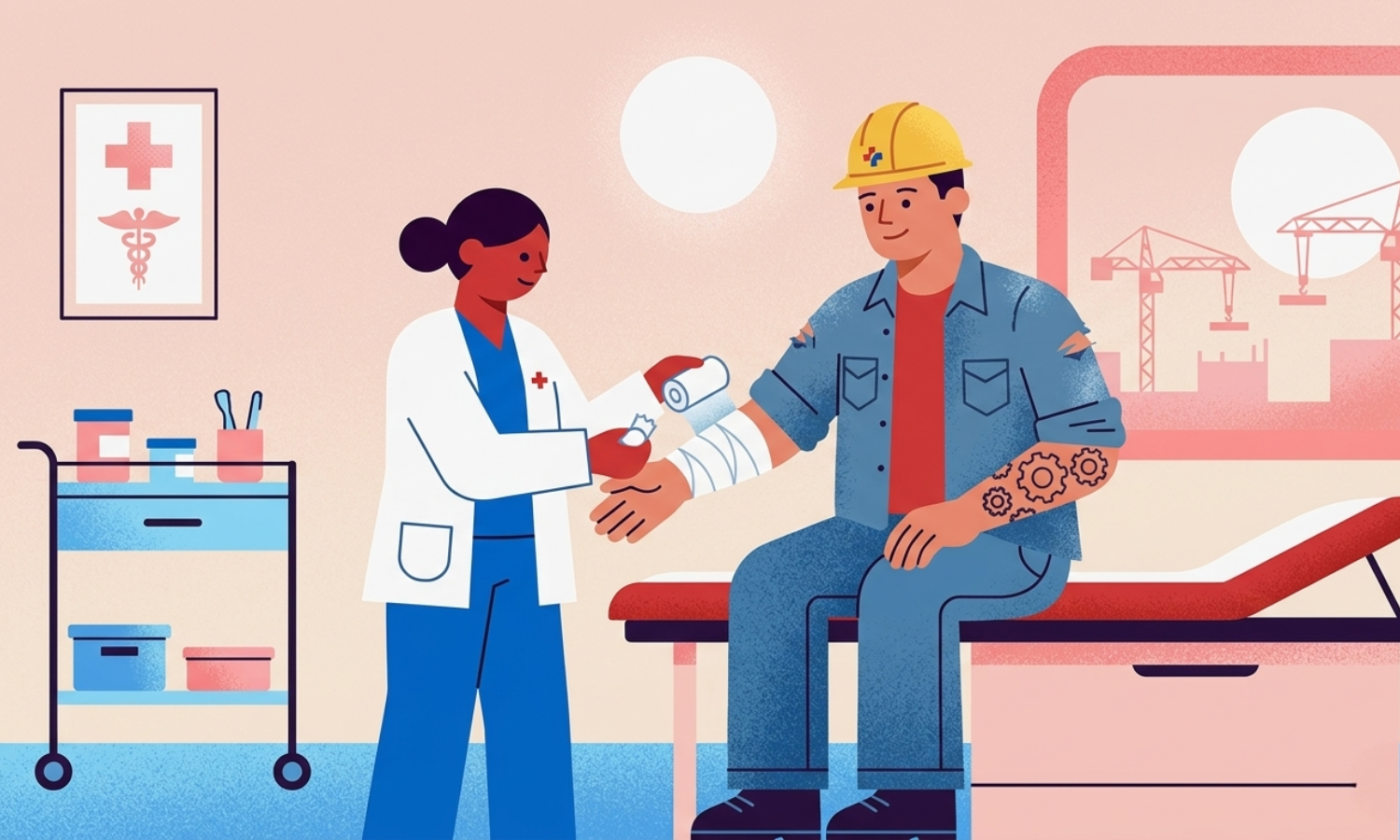
But that speed can make aftercare instructions easier to miss, forget, or second-guess once patients get home.
RxPlain helps urgent care groups extend guidance with clear, workflow-specific support patients can revisit later - without adding unnecessary complexity to the visit.
In urgent care, the real pressure often shows up after the visit is over.
Patients leave with instructions they need to follow later, often after a fast visit and with little time to absorb every detail.

What to do next, what to avoid, what warning signs matter, and when to return can all feel less clear once the patient is back home. And when that clarity breaks down, the burden does not disappear. It comes back to the clinic as callbacks, repeated questions, avoidable revisits, and extra staff time.
That is why this matters operationally, not just educationally.
In urgent care, confusion after the visit can create avoidable demand.
Patients call because they are unsure. Families come back because they do not know what is normal. Staff spend time repeating instructions instead of keeping care moving. Over time, that puts added pressure on teams that are already working at speed.
RxPlain helps by making important guidance easier to revisit once patients are home. When instructions are clearer, easier to access, and easier to follow later, teams have a better chance to reduce repeat explanation burden, support better follow-through, and protect capacity where it matters most.

How RxPlain helps in urgent care
make aftercare guidance easier to revisit at home
reduce repeated clarification work for staff
support more consistent discharge communication across sites
start with one high-friction workflow before broader rollout

Strong starting points in urgent care
The best first workflows are usually the ones where confusion shows up quickly, the follow-up burden is already visible, and the improvement should be easy to feel.
In urgent care, that often means discharge and aftercare moments where patients are expected to remember important instructions later, without a clinician beside them.
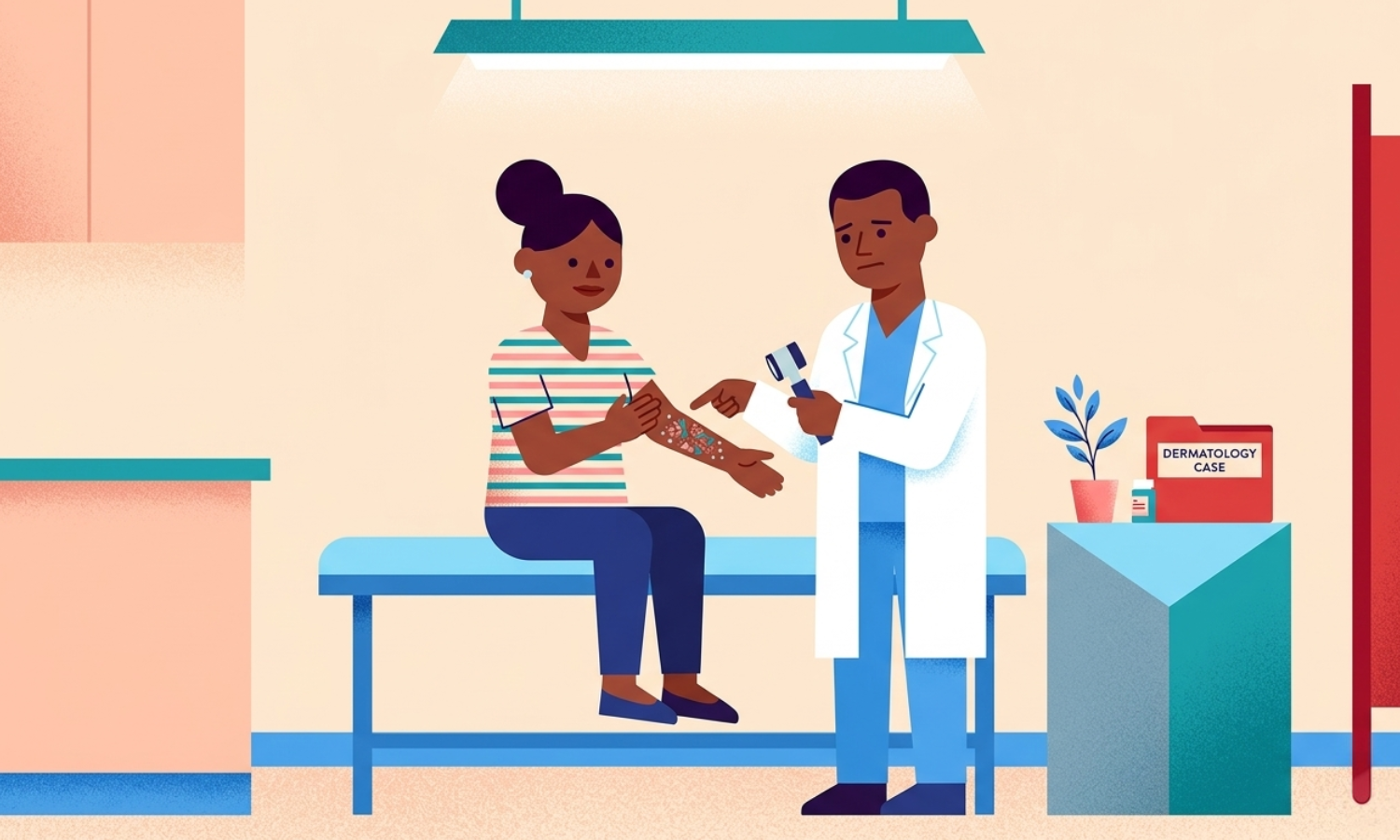
Check out these example workflows:


Wound Care & Laceration Aftercare
Acute Illness Discharge Instructions

Medication & Treatment Education
Why teams often start here

Urgent care is one of the clearest settings for a focused first pilot.
The workflows are common. The communication burden is easy to spot. The staff impact is real. And the first signs of improvement can show up quickly in the form of fewer callbacks, fewer confusion-driven revisits, and smoother discharge communication. That makes urgent care a practical place to test the model, measure the impact, and decide what should expand next.
If the model is working in urgent care, teams should be able to see it early.
fewer callbacks
fewer confusion-driven revisits
more consistent aftercare guidance
smoother discharge communication
easier replication across locations

That is what makes the first urgent care pilot easier to move forward.
The strongest first pilots fit into discharge moments teams already know, require minimal training, and can start in one or two locations before expanding more broadly. When the scope is clear and the rollout is manageable, the first step feels easier to support and easier to approve.

Once one site proves it out, the case for broader rollout becomes much easier to make.
adjacent workflows
new departments or locations

repeatable rollout method

executive-ready outcome summary
A focused urgent care pilot should create proof teams can actually use - whether that is an early snapshot of return visits or call volume, staff feedback from the first sites, or a simple rollout playbook for the next location. That is what helps one successful workflow turn into a stronger case for network expansion.
Explore urgent care workflows

Wound Care & Laceration Aftercare
Acute Illness Discharge Instructions
Medication Administration